Table of Contents
- Introduction
- Automation vs. AI: What’s the Difference?
- AI-Powered Content & SEO
- Designing Smarter Sites with AI
- AI Personalization for WooCommerce
- AI for Security & Performance
- Where Plugins Still Matter
- How to Prepare
- Conclusion
Introduction
If you’ve been following the WordPress space lately, you’ve likely heard one word on repeat: Automation.
From streamlining workflows to connecting plugins with Zapier, automation has been the driving force behind efficiency for years. But as we settle into 2026, a new shift is occurring. We are moving beyond just doing things faster and starting to do them smarter.
This is where Artificial Intelligence (AI) steps in.
While automation handles the repetitive tasks you don’t want to do, AI in WordPress 2026 helps with the decisions you don’t have time to make. It’s no longer just about saving time; it’s about shaping how websites are built, how content is ranked, and how customers experience your WooCommerce store.
In this post, we’re going to explore how AI is fundamentally reshaping the WordPress ecosystem and why it’s distinct from the automation tools you’re already using.
Automation vs. AI: What’s the Difference in WordPress?
It’s easy to conflate the two, but for a store owner or developer in 2026, the distinction serves a critical purpose.
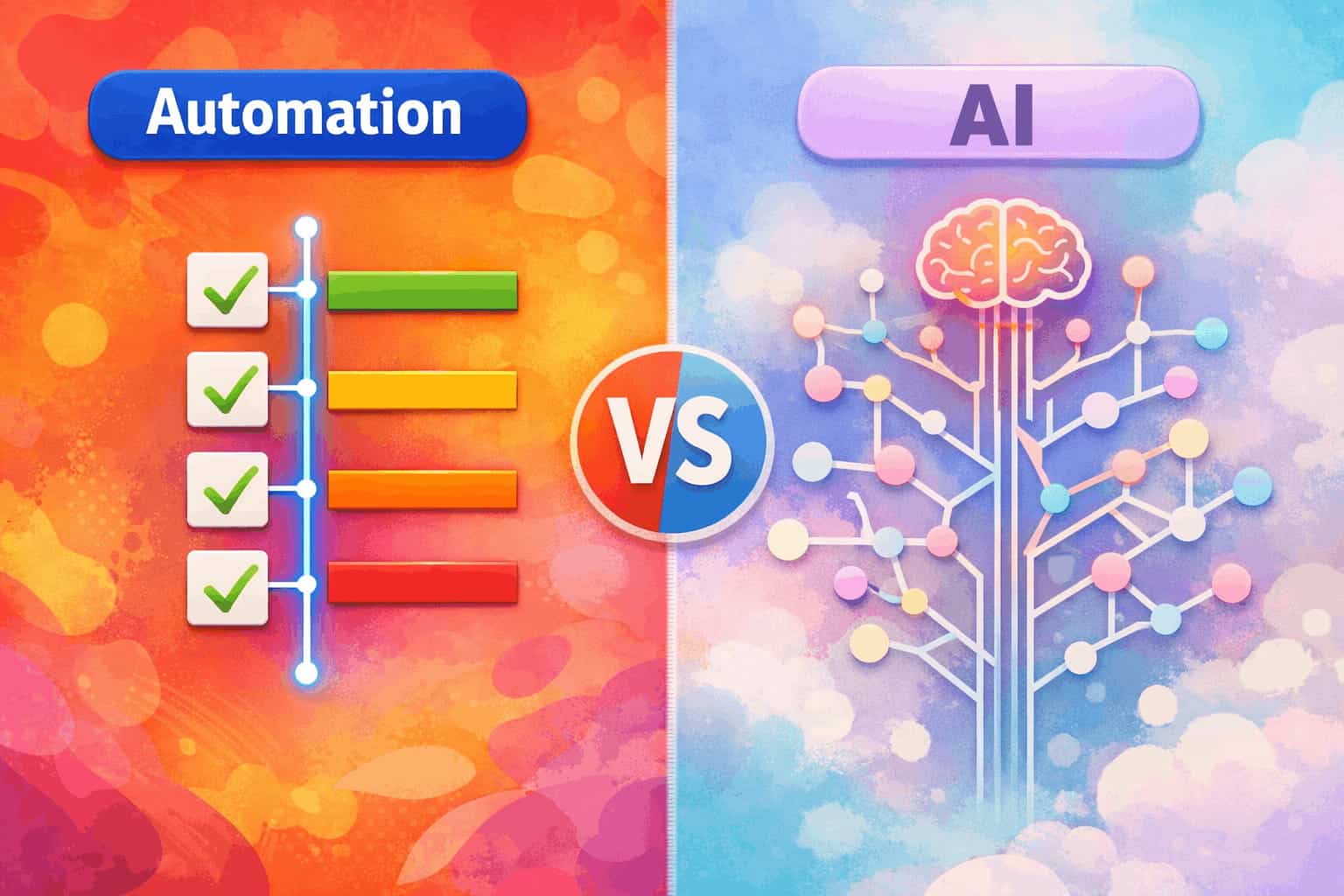
Automation is about rules.
- “IF a customer buys Product A, THEN send Email B.”
- “IF a form is submitted, THEN create a row in Google Sheets.”
(Curious about setting up these kinds of workflows? Check out our deep dive on The State of WordPress Automation in 2026.)
AI is about prediction and learning.
- “Based on this customer’s browsing history, show them Product C.”
- “Analyze this draft and predict how well it will rank for ‘best running shoes’.”
- “Detect a security threat pattern that hasn’t been seen before.”
Automation executes your instructions perfectly. AI helps you decide what those instructions should be. To excel in 2026, your WordPress site needs both.
AI-Powered Content & SEO: Smarter, Not Just Faster
For years, “AI content” meant spammy, auto-generated text. In 2026, the tools have matured. The focus has shifted from generation to optimization and strategy.
Semantic SEO & Intent Forecasting
Modern AI tools for WordPress don’t just count keywords; they analyze search intent. Plugins can now scan your draft and tell you not just if you used a keyword, but if your content actually answers the questions users are asking. This moves us from “tricking” search engines to genuinely aligning with what users want.
Smart Internal Linking
One of the most tedious parts of SEO is building a solid internal linking structure. AI tools are now capable of analyzing your entire site’s library and suggesting relevant, contextual links as you write. This keeps users on your site longer without you having to manually hunt for related posts.
Designing Smarter Sites with AI
The days of staring at a blank page are fading. AI is becoming a collaborative partner in the design process.
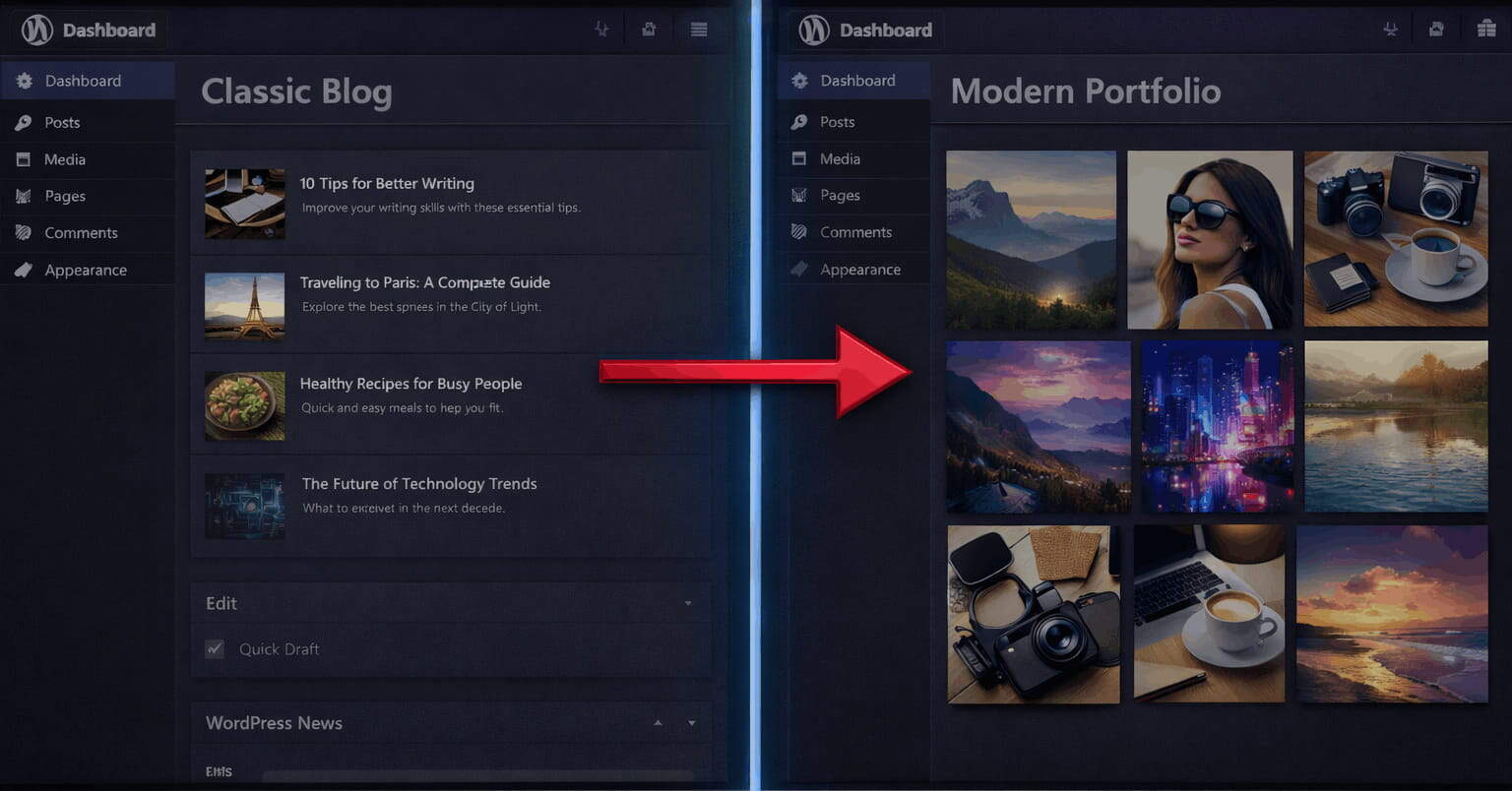
Instead of just offering static templates, AI-driven theme builders can suggest layouts based on your specific content. If you have a portfolio, it suggests gallery-heavy structures. If you’re a consultant, it prioritizes text and call-to-action buttons.
Crucially, good design in 2026 adapts. We are seeing the rise of adaptive interfaces that can subtly adjust based on user behavior, simplifying navigation for mobile users or highlighting different elements for returning visitors.
AI Personalization for WooCommerce Stores
This is where the rubber meets the road for Yoohoo users. If you run a WooCommerce store, AI offers a level of personalization that was previously only available to giants like Amazon.
Dynamic Product Recommendations
Forget “Related Products” that just show items from the same category. AI algorithms can analyze a user’s past purchases, time on page, and even hovering behavior to recommend the exact product they are most likely to buy next.
Personalized Messaging
Imagine your site changing its headline based on who is visiting. A first-time visitor might see a “Welcome Discount” banner, while a loyal customer sees a “Welcome Back, VIP” message. AI makes this dynamic content possible at scale, increasing engagement and conversions without manual segmentation.
AI for Security, Performance & Monitoring
Automation can block an IP address you tell it to block. AI can figure out which IP addresses are suspicious before they even attack.
Predictive Security
Machine learning models are trained on millions of attack patterns. This allows security plugins to identify “zero-day” threats-attacks that haven’t been seen before, by recognizing suspicious behavior rather than just matching a known bad signature.
Performance Optimization
AI monitoring tools can learn your traffic patterns and automatically optimize server resources or cache policies during peak times, ensuring your site stays fast without you having to manually tweak settings during a traffic spike.
Where AI Stops — And Plugins Still Matter
With all this talk of AI, you might wonder: Do we still need traditional plugins?
The answer is a resounding yes.
AI is a powerful advisor, but it is not a executor of rigid business logic. When it comes to the core operations of your business, you need the reliability and improved accuracy of standard plugins.
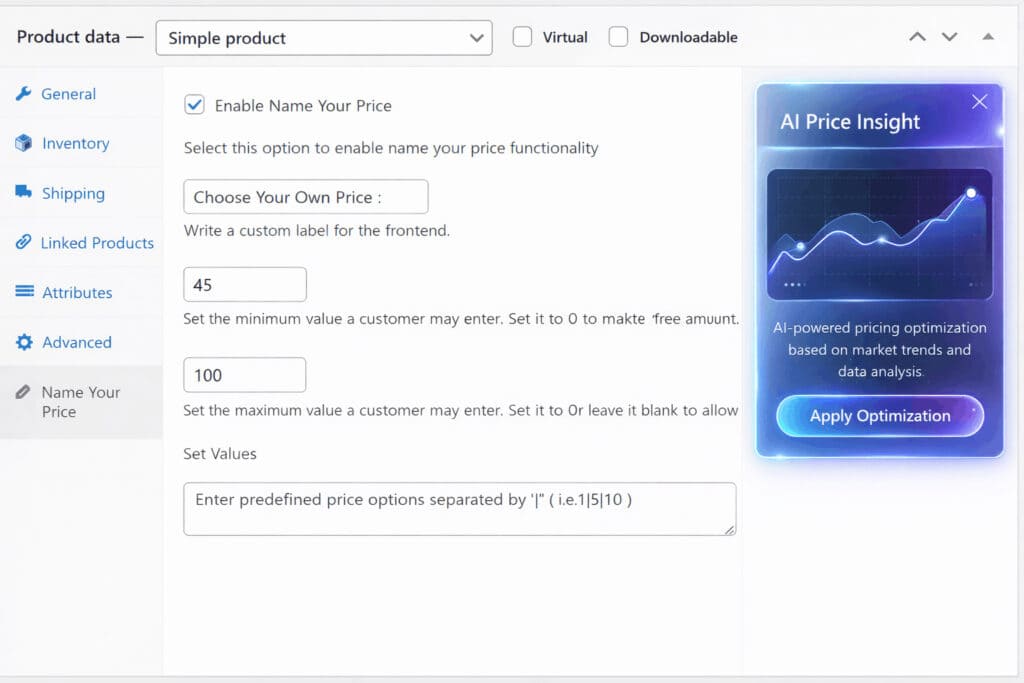
- Pricing Logic: You don’t want an AI “guessing” the price of your product. You need a plugin like Name Your Price to handle that logic precisely.
- Lead Times: When a customer asks “When will I get this?”, they want a calculation based on facts, not a hallucination. Yoohoo Lead Times provides that certainty.
- Document Generation: An invoice is a legal document. It needs to be perfect, every time. That’s why tools like PDF Invoices for Paid Memberships Pro remain essential fixtures in a tech stack.
AI suggests the strategy; robust plugins execute the business rules.
How WordPress Site Owners Should Prepare for AI in 2026
You don’t need to rebuild your site from scratch. Here is a practical checklist for integrating AI into your WordPress strategy this year:
- Audit Your Stack: Look at your existing plugins. Are any of them adding AI features you can enable? SEO and Security plugins are the most likely places to start.
- Focus on Data: AI needs data to work. Ensure your analytics and customer logging are accurate.
- Avoid Gimmicks: Don’t just install a “Chat with AI” bot because it looks cool. Only add AI tools that solve a specific problem (like product recommendations or search improvement).
- Strengthen Your Foundations: AI works best on top of a solid, automated foundation. Ensure your basic workflows (invoicing, email capture, order processing) are fully automated before trying to layer disparate AI tools on top.
Conclusion: Smarter Websites Win in 2026
The future of WordPress isn’t just about faster pages or quicker workflows. It’s about smarter websites.
By combining the reliability of rock-solid automation with the predictive power of AI, you can build a site that works for you, anticipating customer needs, protecting itself from threats, and helping you create better content.
Automation handles the tasks. AI shapes the decisions. And in 2026, the businesses that master both will be the ones that win.