
Welcome to 2026. If you are still manually exporting orders to a spreadsheet or copy-pasting customer details into email drafts, your store is already running behind.
The landscape of WordPress automation in 2026 has shifted dramatically. It is no longer just about saving a few minutes here and there; it is about survival, scalability, and providing the seamless experience customers now demand as the standard.
In this post, we’ll explore why this year marks a critical turning point for WooCommerce store owners and how you can leverage new tools—from AI-driven pricing to advanced Zapier workflows—to future-proof your business.
Why 2026 is a Turning Point for WordPress Businesses
Remember when “automation” just meant scheduling a blog post? Those days are long gone. In 2026, the gap between high-performing stores and struggling ones is defined by workflow efficiency.
Customers expect instant gratification. They want immediate invoices, real-time shipping updates, and personalized pricing. Manual processes simply cannot keep up with this speed. If your backend operations are slow, your frontend customer experience suffers. This year, the technology has finally matured to make enterprise-level automation accessible to every WordPress user.
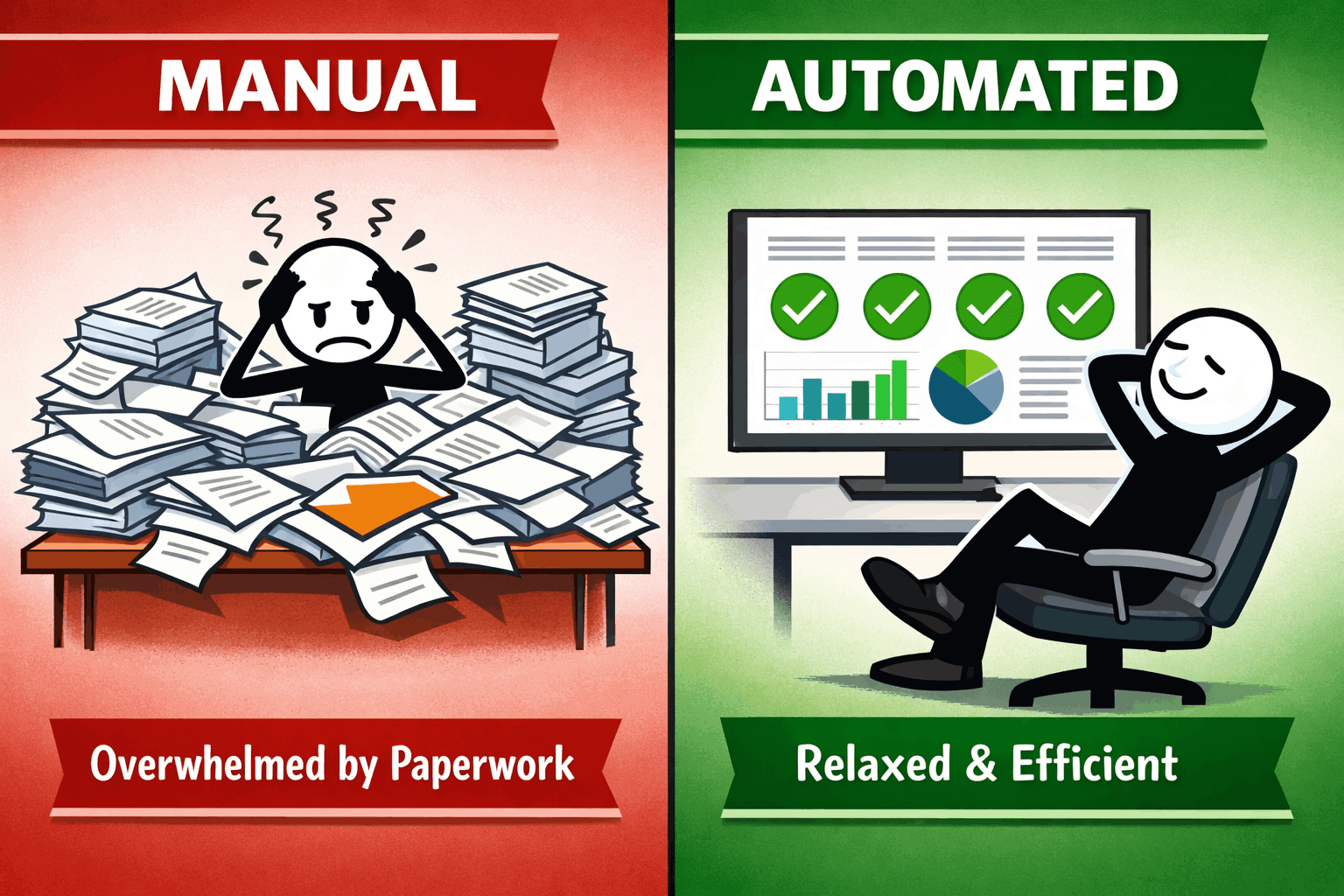
Automation vs. Manual Workflows: The Cost of Waiting
Let’s look at a real-world example of the “Automation Tax”—the cost you pay for sticking to manual tasks.
The Manual Way:
1. A customer places an order.
2. You log in to send a specific PDF invoice.
3. You manually copy their email to your CRM.
4. You check stock levels and update a spreadsheet.
The 2026 Automated Way:
1. A customer places an order.
2. Paid Memberships Pro – PDF Invoices automatically generates and emails a compliant invoice.
3. WP Zapier instantly pushes the customer data to your CRM and tags them as a ‘New Buyer’.
4. An inventory logic script triggers a restock alert via Slack.
The result? You save 15 minutes per order. Over 100 orders a month, that is 25 hours saved—time you can spend on marketing or product development.
Zapier + WooCommerce Trends in 2026
Zapier remains the king of connectivity, but its integration with WordPress has become smarter. With WP Zapier, the connection is faster and more granular than ever before.
Hyper-Personalized Triggers
In 2026, we aren’t just triggering Zaps on “New Order.” We are triggering them based on specific metadata.
* Did they buy the ‘enterprise’ package? -> Trigger an onboarding sequence in your project management tool.
* Is it their 5th purchase? -> Trigger a “Thank You” SMS via Twilio.
Two-Way Syncing
It’s not just WordPress to Zapier anymore. Data flows back. Update a lead status in Salesforce, and have it automatically unlock a specific membership level on your site. This bi-directional flow creates a “living” ecosystem for your data.
AI-Assisted Pricing & Order Management
Static stores are dying. Dynamic stores are thriving. Artificial Intelligence is now deeply embedded in how plugins function, specifically in pricing and logistics.
Smart Pricing Logic
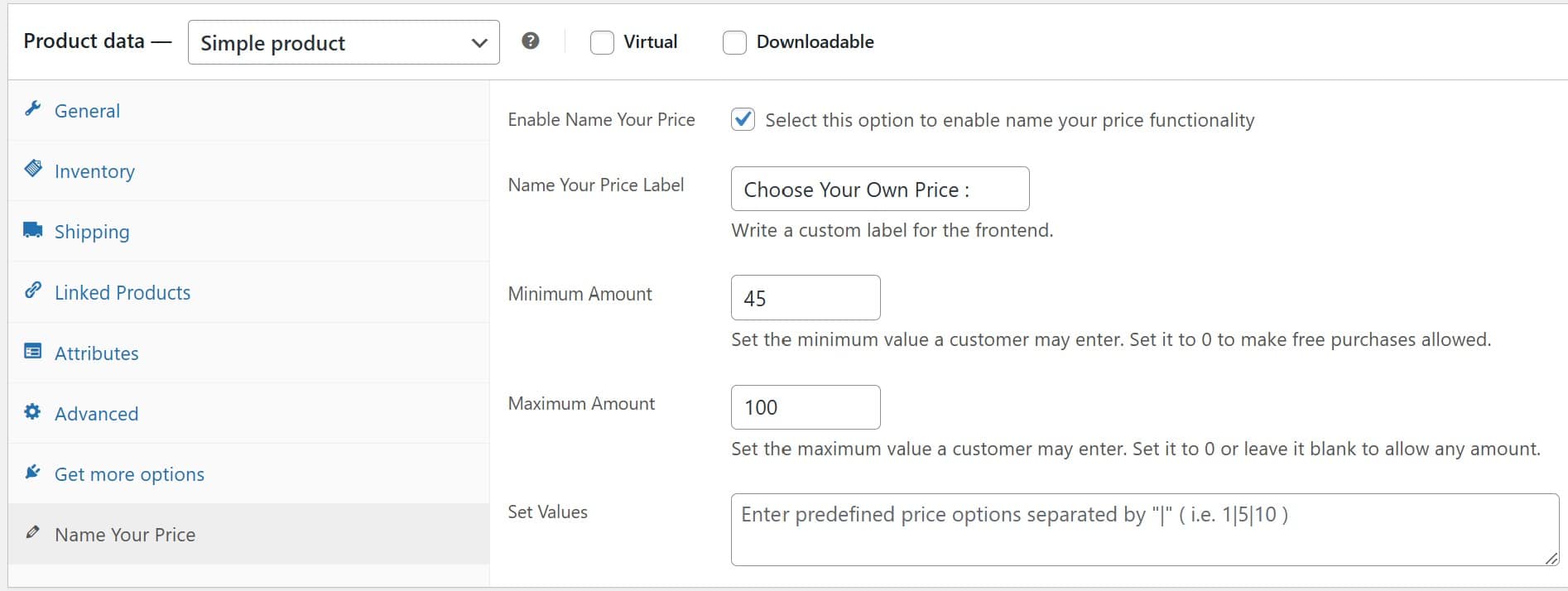
With tools like Yoohoo Name Your Price, you aren’t just letting users pick a number. You can set minimums and suggested prices that adapt based on user behavior or inventory levels.
Predictive Logistics
Yoohoo Lead Times has evolved. Instead of a static “5-7 days,” modern setups use logic to display accurate lead times based on current workload or supplier status. “Order now, receive by Thursday” is powerful psychology that drives conversions.
Where Plugins Must Evolve (and How We Are Doing It)
At YoohooPlugins, we saw this shift coming. We realized that plugins that don’t automate will slow your store down.
That is why our focus for 2026 is entirely on Interconnectivity.
* Our Password Vault plugin doesn’t just store passwords; it integrates with your secure workflows.
* When Last Login doesn’t just show a date; it provides data exportable to email marketing platforms to re-engage dormant users.
We are building plugins that act as reliable cogs in your larger business machine, not just standalone features.
Conclusion: Don’t Let Your Store Lag Behind
The state of WordPress automation in 2026 is clear: Automate or stagnate.
Take an audit of your workflows this week. Identify one process that takes you more than 10 minutes a day and find a plugin or a Zap to handle it for you. If you need help connecting the dots, check out our suite of automation-focused plugins.
Ready to upgrade your workflow? Explore YoohooPlugins and start reclaiming your time today.